
.png?prefix=primary-site-assets&2026-05-12T12%3A40%3A55.241Z)
Reach Isn't Rescue
Urgent dogs get shared. Commented. Buried. Nobody knows what happened next. Social wasn't built for volunteers, fosters, transporters, and transfers. LBC is.
-1400x933.jpg?prefix=primary-site-assets)
It starts the way it always does. A photo of a dog named Daisy, an eight year old shepherd mix at a crowded county shelter. A deadline in red text at the top of the flyer. Within minutes, the post is moving: shared into rescue groups, tagged to friends, dropped into DMs with a string of exclamation points. "Someone please save her!!" "Tagging everyone I know!!"
For a few hours, it feels like the whole internet is pulling for Daisy.
And then, more often than anyone wants to admit, the thread goes quiet. Not because people stopped caring, but because nobody can actually tell what happened. Did someone pull Daisy? Is transport covered? Is the deadline still today, or did it move? The post doesn't know. It never did.
The Post That Goes Nowhere
A social media post is not built to hold information over time. It's built to be seen, felt, and shared, then buried under the next post an hour later.
That's the silent failure at the center of urgent dog posting: a social media post has no memory. It can't tell you if someone already pledged to pull that dog. It can't tell you if three different people are each assuming someone else has it handled. It can't tell you the dog was already pulled an hour ago, or that the deadline just moved up.
“A post is a moment. Rescue is a process. And you cannot run a process on a mechanism that has no state.”
Multiply that by however many urgent lists get posted on a given day across however many shelters, and the pattern becomes clear: the volume of compassion in these comment sections has never been the problem. It's the complete lack of coordination that those platforms simply were not built to provide.
What Social Media Actually Does Well
None of this means social media doesn't have a role. It does. It's just a narrower one than rescue has been asking it to play.
Social media is genuinely good at reach. It puts a dog in front of people who wouldn't otherwise know he exists: foster homes outside a shelter's usual network, rescues in another state, someone scrolling at exactly the right moment. For small and rural shelters running without a marketing budget, that reach can be the only thing standing between a dog and total invisibility.
“Reach is real, and it matters. But reach isn't rescue.”
What Coordination Actually Requires
The moment a "share" turns into an actual commitment (I'll pull him, I can drive leg two of transport, I have a foster spot open Thursday), the situation changes completely. Now it’s no longer about visibility. It’s about coordination. And coordination requires something social media was never built to provide:
- Who's actually pledged — not just who commented.
- Real-time status — on transport, foster, and intake.
- One shared source of truth — for the whole network.
- Direct messaging — between the people actually coordinating.
- A community layer — that stays active between crises, not just during them.
Without that layer, even a viral post with hundreds of shares can still end in nothing, because good intentions scattered across a comment thread don't add up to a plan.
The Layer Underneath
“Rescue doesn't fail from lack of compassion. It fails from lack of coordination.”
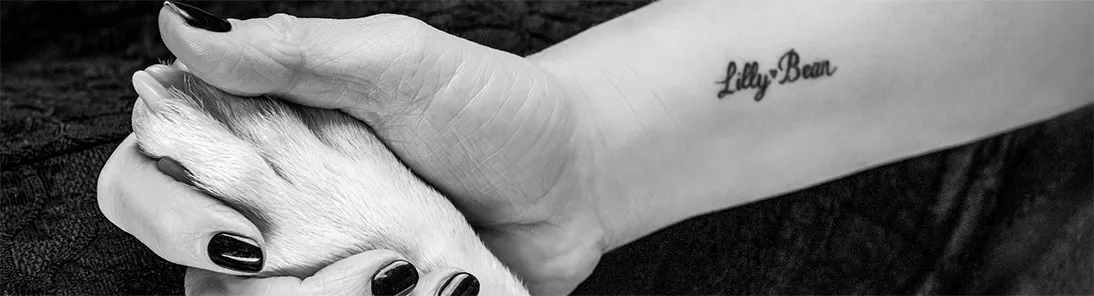
That's the line we've built The Lilly Bean Collective around. LBC isn't trying to be another place to post about a dog in danger. The world already has plenty of those, and they're doing exactly what they were built to do. LBC is the layer underneath: the coordination infrastructure that catches everything a viral post structurally cannot. A pledge that's actually tracked. A transport leg that's actually confirmed. Direct messaging so the people coordinating a pull can talk to each other instead of shouting into a comment thread. A community space where fosters, volunteers, and partner rescues stay connected between crises, not just during them. A network that can see, in real time, exactly where a dog stands, not just who commented on his photo.
Every dog deserves to be found.
Join the Lilly Bean Collective today